With rising energy costs and increasing focus on sustainable development, residential energy storage systems are gaining increasing attention. These systems enable homes to store electricity for later use, allowing for better control over energy consumption and improved overall efficiency.
Residential energy storage solutions are often used in conjunction with renewable energy sources such as solar power, allowing homeowners to store excess electricity generated during the day and use it when needed. In addition to environmental advantages, these systems provide backup power during power outages and reduce reliance on the traditional grid.
Understanding how residential energy storage systems work and their benefits can help you make informed decisions when upgrading your home energy system.
Why Homeowners Are Investing in Energy Storage Systems
Changing Home Electricity Usage Patterns
Modern homes are heavily reliant on electricity for appliances, entertainment systems, heating and cooling systems, and smart home devices. As electricity demand grows, homeowners are looking for more efficient and reliable ways to manage their electricity.
Residential energy storage systems help address this by storing excess electricity and using it during peak hours.
The Importance of Energy Independence
Many homeowners want to reduce their reliance on the traditional grid. Power outages, fluctuating electricity prices, and rising electricity demand highlight the importance of backup power.
Energy storage systems enable homeowners to maintain power supply during outages and reduce their dependence on power companies.
Rising Electricity Prices
Electricity prices continue to rise in many parts of the world. By storing electricity when it is readily available and using it later, homeowners can reduce the amount of electricity they purchase from the grid.
The Role of Energy Storage in Sustainable Living
Residential energy storage systems play a vital role in supporting environmentally friendly lifestyles by maximizing the use of renewable energy and reducing energy waste.
What is a Residential Energy Storage System?
Basic Components of an Energy Storage System
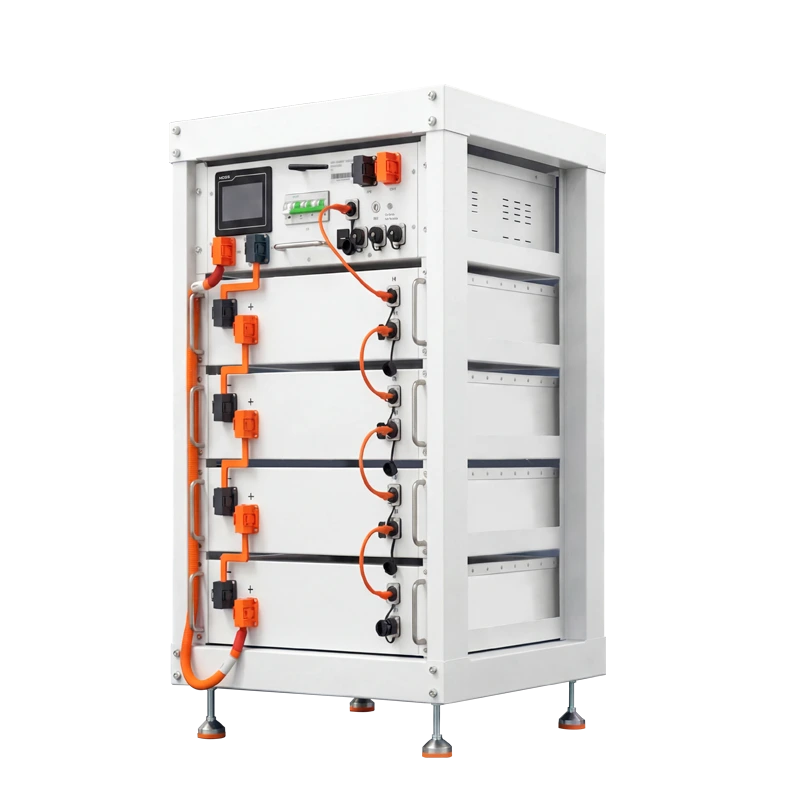
A typical residential energy storage system includes batteries, an inverter, and an energy management system. Batteries store electricity, and the inverter converts the electricity into a form that can be used by household appliances.
The energy management system controls when to store energy and when to use it.
How Electricity is Stored and Used
When a household generates more electricity than it needs, the excess electricity is stored in batteries. This stored energy can be used at night or when electricity demand increases.
This process helps homeowners maximize the use of locally generated electricity.
Integration with Renewable Energy
Energy storage systems are often used in conjunction with solar power systems. Solar energy generates electricity during the day, and the storage system stores excess electricity for later use.
This integration improves the efficiency and reliability of renewable energy systems.
The Role in Modern Home Energy Systems
Residential energy storage systems are becoming an important part of modern home energy management, supporting smart homes, electric vehicles, and advanced energy monitoring technologies.
Key Benefits of Residential Energy Storage for Homeowners
Providing Backup Power During Power Outages
One of the most important advantages of energy storage systems is providing backup power during power outages, ensuring the continued operation of critical equipment.
Reducing Electricity Bills
By using stored electricity during peak electricity price periods, homeowners can reduce their dependence on grid power, thereby reducing monthly electricity bills.
Improved Energy Efficiency
Energy storage systems reduce electricity waste, ensuring that excess electricity generated from renewable energy sources is used effectively.
Supporting Smart Energy Management
Modern energy storage systems are equipped with intelligent management tools that monitor electricity usage, optimize power distribution, and improve overall efficiency.
How Residential Energy Storage Supports Renewable Energy
Storing Solar Energy for Later Use
Solar systems typically generate the most electricity during the day; energy storage systems can store excess power for later use.
Improving Renewable Energy Reliability
Solar and wind power are heavily influenced by weather; energy storage systems stabilize power supply by storing electricity during peak periods and discharging it during off-peak periods.
Enabling Off-Grid Living
In some situations, residential energy storage systems can allow homes to partially or completely disconnect from the traditional power grid, especially suitable for remote areas.
Benefits of Installing a Residential Energy Storage System
Long-Term Energy Cost Savings
While the initial investment is higher, energy storage systems deliver long-term savings through reduced electricity bills and increased efficiency.
Enhancing Property Value
Homes equipped with energy storage systems are more appealing to energy-conscious and environmentally conscious buyers.
Environmental Advantages
Energy storage systems support the use of clean energy, reducing dependence on fossil fuels and thus mitigating environmental impact.
Practical Benefits Homeowners Can Expect
Improved Energy Reliability
Even during power outages or peak electricity usage periods, homes can still have a stable power supply.
Long-Term Reduced Energy Costs
Reduce reliance on expensive grid electricity through efficient management and use of power.
Greater Energy Control
Homeowners can manage their electricity more effectively, achieving greater energy autonomy.
How to Choose the Right Energy Storage System
Assess Your Home’s Energy Needs
Analyze your electricity usage patterns before installation to determine the appropriate battery capacity.
Evaluate Battery Technology
Different batteries vary in performance, lifespan, and efficiency; choosing a high-quality product is crucial.
Consider System Scalability
Choose a scalable system so you can upgrade as needed in the future.
Common Homeowner Mistakes
Choosing an Insufficient Capacity
Insufficient capacity will affect energy storage effectiveness and usage efficiency.
Ignoring Maintenance Needs
Regular inspections help ensure long-term stable system operation.
Ignoring Policy Incentives
Many regions offer subsidies or tax breaks; homeowners should take full advantage of these policies.
Frequently Asked Questions (FAQs)
What is a Residential Energy Storage System?
It is a system used to store electricity in a home for future use, often in conjunction with renewable energy sources.
Can energy storage systems be used without solar power?
Yes, some systems can store electricity from the grid, but they are typically used in conjunction with solar systems.
How long do residential batteries last?
Most modern energy storage batteries have a lifespan of 10 to 15 years, depending on usage and maintenance.
Are residential energy storage systems expensive?
The initial cost is higher, but the long-term savings and energy independence make it a worthwhile investment.
Summary
Residential energy storage systems are becoming an important part of modern home energy solutions. They enable homeowners to store electricity, reduce dependence on the grid, and maximize the use of renewable energy.
As technology continues to advance and energy costs continue to rise, more and more homes will adopt energy storage systems to achieve greater energy independence and long-term sustainability.